Brush clearing · 6 min read
Brush Clearing Before Fire Season: What Rural Property Owners Should Prioritize
A field-ready checklist for rural property owners planning brush clearing, access cleanup, and fire-fuel reduction before dry conditions peak.
What matters first
- Start with access routes, structure-adjacent brush, and visible fuel buildup.
- Steep terrain and equipment access can change price and timeline.
- Debris handling should be discussed early: pile, chip, mulch, or haul away.
- Seasonal maintenance can prevent repeat emergency cleanup.
Clear the paths that control access
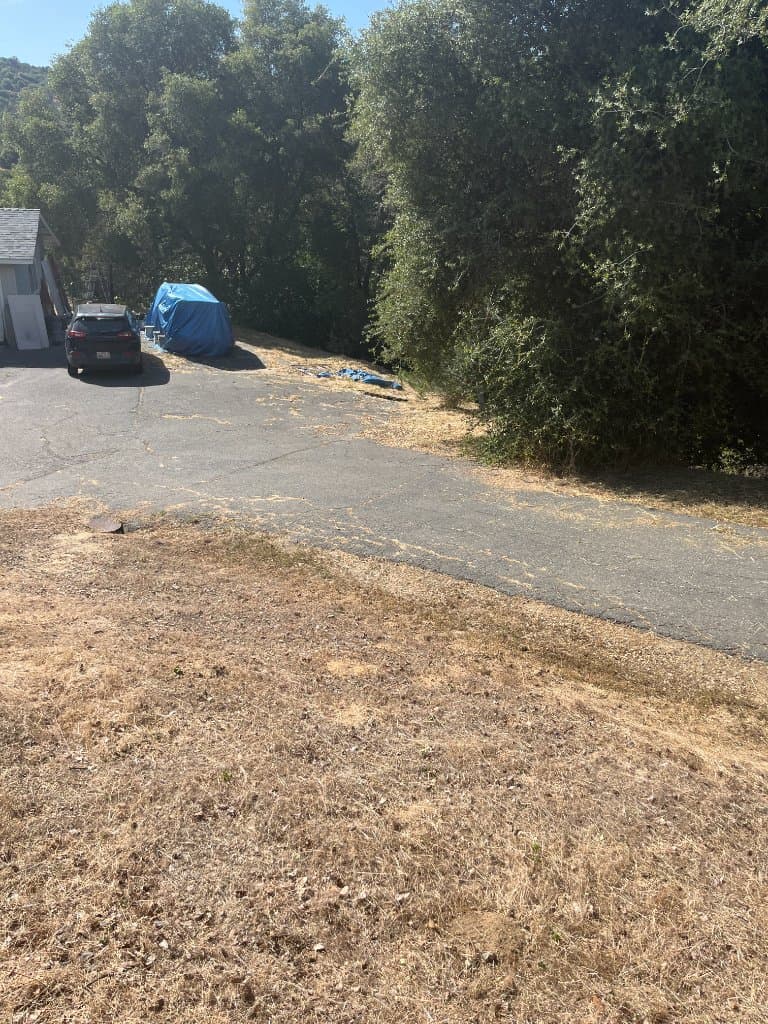
Driveways, gates, equipment access, turnarounds, and paths to structures are often the first practical brush-clearing priorities. If a crew cannot reach the work efficiently, the job takes longer and may require a different plan.
Photos should show road width, gate openings, steep sections, and any obstacles that affect equipment access.
Separate light cleanup from heavy brush work
Light seasonal clearing is different from dense brush, ladder fuels, steep terrain, or expanded acreage cleanup. When the scope is heavy, the estimate may need more detail around crew size, equipment hours, and debris handling.
Plan debris handling before work starts
Piling, chipping, mulching, and hauling away can change cost and timeline. Tell the estimator what outcome you expect so the quote reflects the real work, not just cutting vegetation down.
Common questions
When should I request brush clearing?
Earlier is better, especially before peak dry conditions or before a deadline. Same-week work may be possible depending on scope and crew availability.
Can steep terrain be quoted from photos?
Photos can start the review, but steep terrain may require extra estimator review before final pricing.
Do I need haul-away?
Not always. Some projects can pile or chip material on site. Haul-away should be requested if you want debris removed.